
Adaptive Vs Predective Approach
In Agile project management, the terms "adaptive" and "predictive" represent two different approaches to planning and executing projects. Understanding the differences between these approaches can help teams choose the right methodology based on the nature of their project and organizational needs.
Adaptive Approach:
The adaptive approach, often associated with Agile methodologies, is characterized by flexibility and responsiveness to change. Here are some key features of the adaptive approach:
Iterative Process: Projects are broken down into small, manageable iterations (sprints or cycles) that typically last between one to four weeks. Each iteration involves planning, execution, and review.
Continuous Feedback: Regular feedback from stakeholders, including customers, is integral. This allows for adjustments and refinements based on real-world insights and changing requirements.
Incremental Delivery: Working software or product increments are delivered at the end of each iteration, allowing for continuous integration and testing.
Flexibility to Change: Adaptive methodologies embrace change, even late in the development process. This is essential for projects with uncertain or evolving requirements.
Collaboration and Communication: High levels of collaboration among team members and stakeholders are crucial. Daily stand-ups, sprint reviews, and retrospectives are common practices.
Focus on Value: The primary goal is to deliver the most valuable features to the customer as early as possible. Prioritization is based on customer needs and business value.
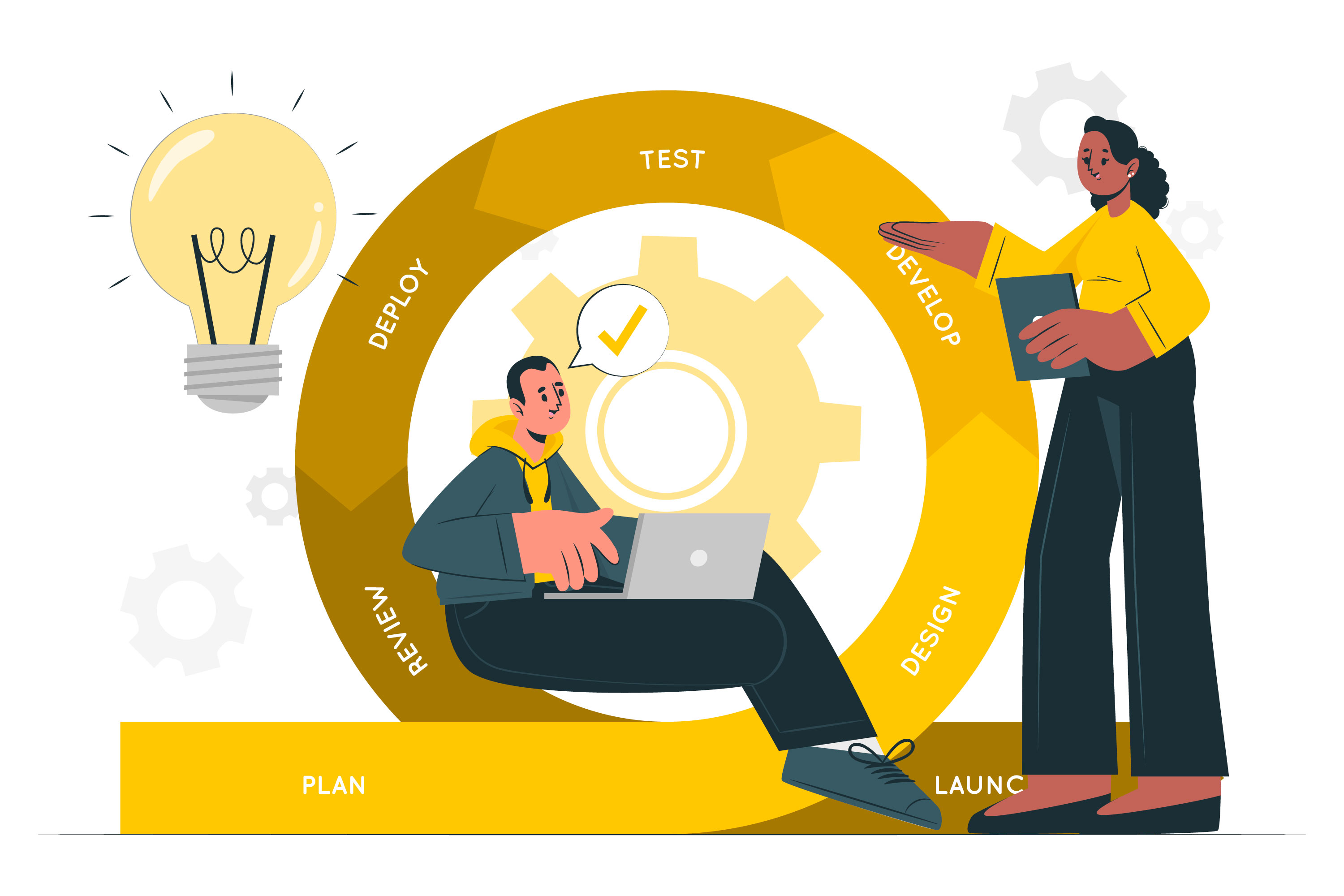
Fig 1
Predictive Approach
The predictive approach, often associated with traditional project management (such as Waterfall), is characterized by a more rigid and structured planning process. Here are some key features of the predictive approach:
Detailed Planning: Extensive planning is done at the beginning of the project. This includes defining scope, timelines, resources, and deliverables in detail.
Linear Process: Projects follow a sequential flow, with each phase completed before moving on to the next. Common phases include requirements gathering, design, development, testing, and deployment.
Fixed Scope: The project scope is typically defined upfront and changes are minimized. Any changes usually require a formal change request process.
Predictability: With a detailed plan in place, predictive methodologies aim to provide clear timelines, budgets, and resource allocations. This approach is suitable for projects with well-understood and stable requirements.
Limited Flexibility: Changes to the project plan are generally discouraged once the project is underway. Adjustments can be costly and time-consuming.
Documentation and Process: Emphasis is placed on thorough documentation and adherence to established processes and standards.
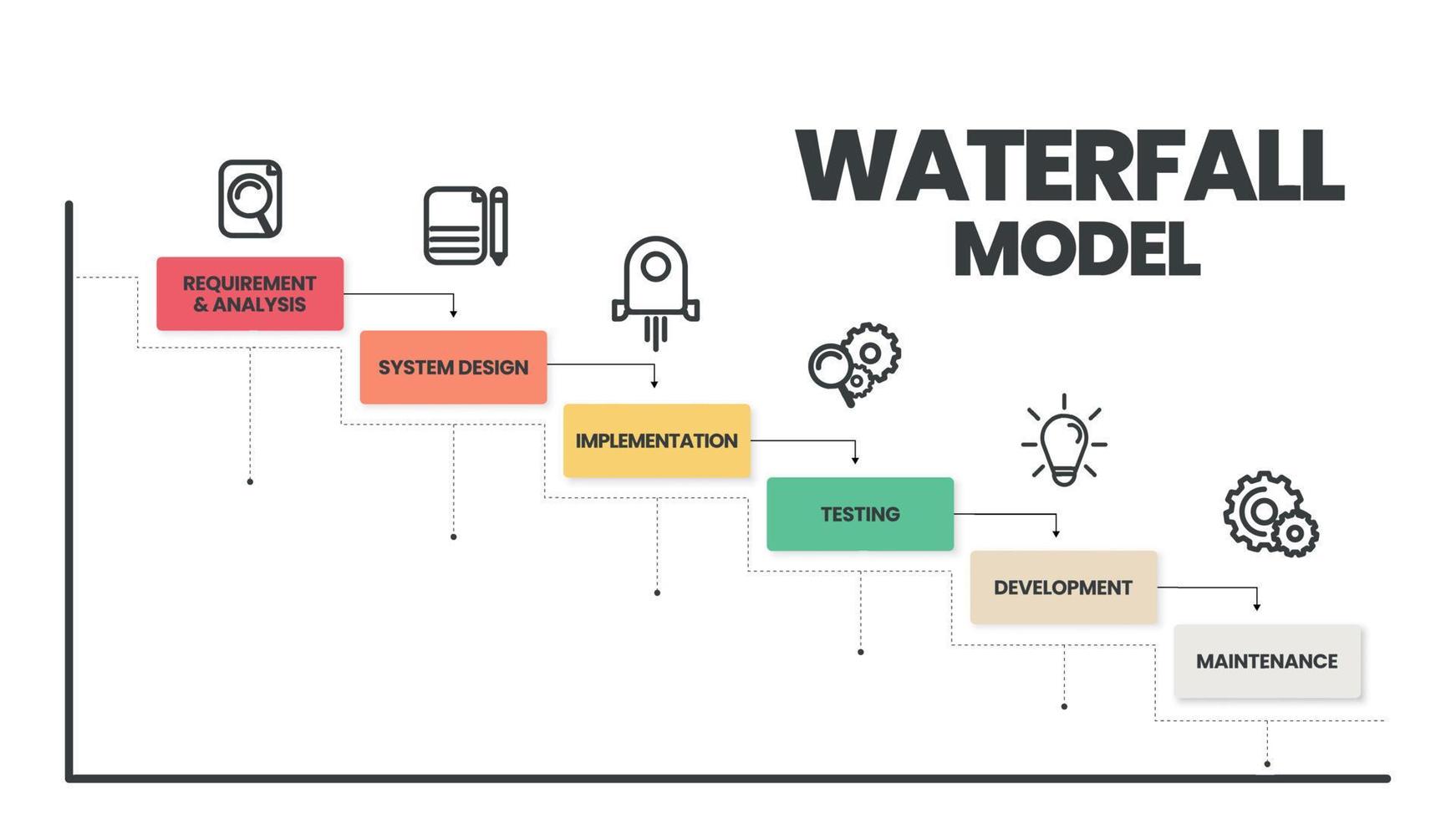
Fig 2
Comparison:
Feature | Adaptive | Predictive |
Planning | Iterative and ongoing | Extensive upfront planning |
Flexibility | High, embraces change | Low, change is minimized |
Feedback | Continuous from stakeholders | Limited, usually at milestones |
Delivery | Incremental and frequent | Final product at the end |
Scope | Evolving based on feedback | Fixed at the start |
Process | Collaborative and flexible | Structured and sequential |
Documentation | Lightweight and as needed | Comprehensive and detailed |